
Reading dog body language in group play: a guide for daycare staff
Learn to spot healthy play, early stress signals and the ladder of aggression, and how to step in calmly before play goes wrong.
By the PackDay team. Checked against the sources listed at the end.
A good report card takes less than a minute to write and gets read every time. These six habits help your team send cards that owners open, trust and remember.
For most owners, the report card is the only window into their dog’s day. They weren’t there. They can’t ask the dog. What you send at pickup time shapes how they feel about leaving their dog with you tomorrow.
A card that says “Had a great day” tells them nothing. A card that tells them something true and specific about their dog tells them you were paying attention. That’s the difference between a card that gets skimmed and one that gets screenshotted and sent to the family group chat.
Owners look for the same few things. Make them easy to find, in the same order, on every card.
The first four give owners peace of mind. The fifth is the one they’ll read twice.
When you describe mood, write what you saw, not just a label. “Lots of yawning and lip licking in the first hour, then settled once he found his spot” is more useful than “a bit stressed”. The RSPCA lists yawning, lip licking, frequent blinking and turning the head away among the signs a dog may be uncomfortable or want space. Noting them helps owners spot patterns. The RSPCA also advises keeping an eye on changes in behaviour, since a change can be a sign that something is wrong.
Generic lines are fast to write and easy to ignore. Specific lines take a few extra seconds and prove you know the dog.
| Instead of this | Try this |
|---|---|
| Had a great day. | Spent most of the morning chasing Biscuit around the big yard, then flopped on the cool mat for a nap. |
| Ate well. | Finished all of her breakfast and licked the bowl twice to be sure. |
| Played nicely with friends. | Shared the tug rope with two new dogs and let the little one win a few rounds. |
| A bit shy today. | Stayed close to staff for the first half hour, then joined the small group after morning tea. |
A simple test: if you could copy the line onto any other dog’s card, it’s too generic. Use the dog’s name once, mention a person or place, and include one small detail you noticed.
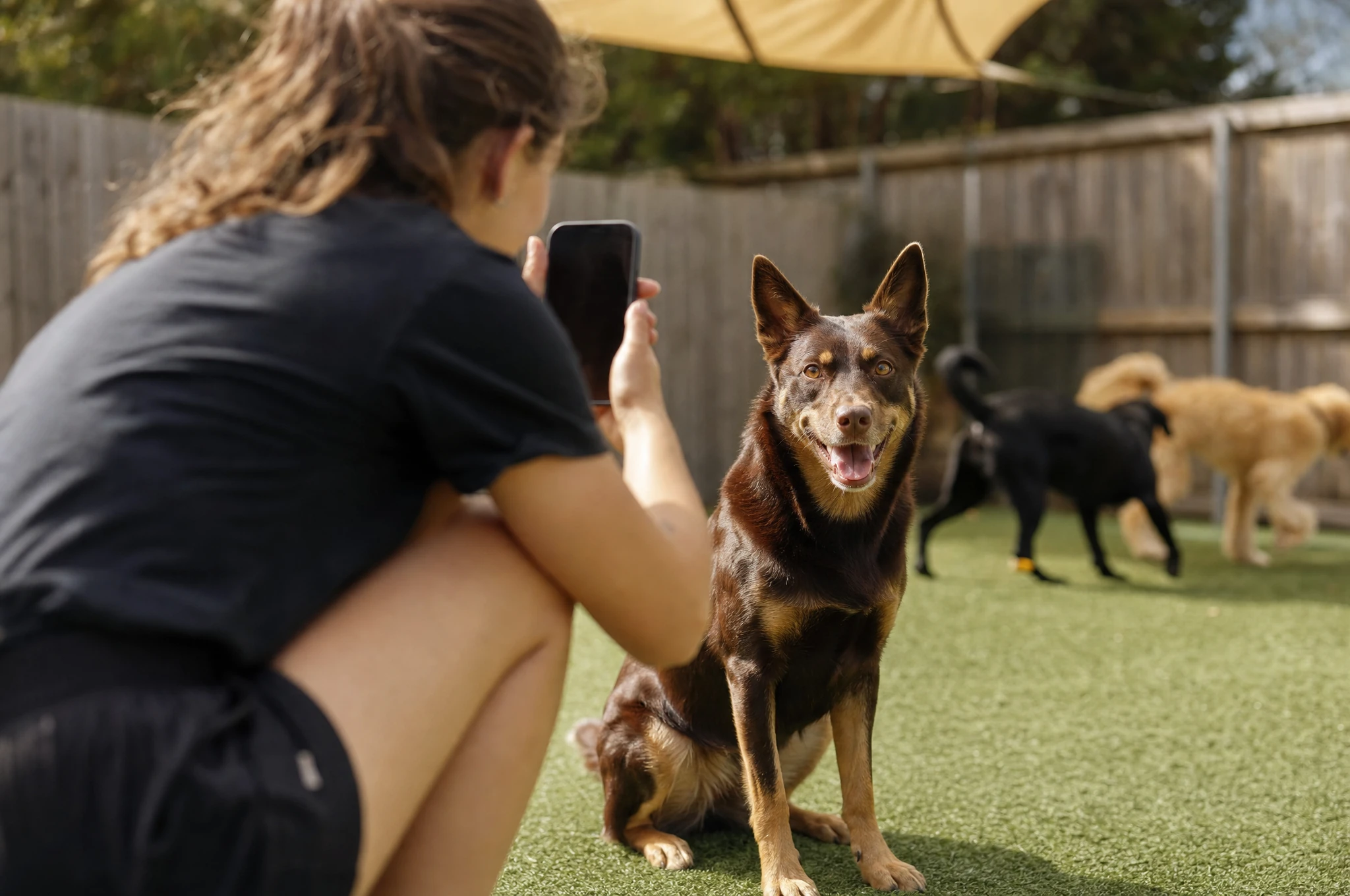
The photo is often the first thing an owner looks at. You don’t need a camera, just a few phone habits.
One good photo beats five average ones. Choose the photo where the dog looks most like themselves.
Try this: before you send a photo, look at the dog’s face. If the dog looks tense or worried, pick a different shot. Owners notice.
Sometimes the day doesn’t go to plan. A scrape in the yard, a missed meal, a dog that isn’t quite right. Owners can handle almost anything, as long as they hear it from you first and the facts are clear.
Write incidents the same way every time:
For example: “At about 11am, Milo got a small scratch on his left ear during play in the big yard. We cleaned it and separated him for a rest. It stopped bleeding quickly and he was back to normal by lunch. You may like to check it tonight. Please call us if you have any questions.”
Keep it factual. Don’t name other clients’ dogs, guess at blame or use words like “attack” unless you are sure. Don’t play it down either. Owners lose trust when a card says “all fine” and they find a wound at home.
Some things should be a phone call, not a card:
Call first, then follow up with the written card so there is a record.
A good report card should take under a minute. The trick is to let the template do the routine parts and spend your time on the personal line.
Speed comes from structure. The one line that makes the card worth reading should never be the part you skip.
Owners notice when cards change tone depending on who is on shift. Consistency builds trust.
Over time, your report cards become part of how owners describe you to their friends.
In PackDay: report cards start from the day’s check-ins, meals and photos, so staff add the one personal line and send.
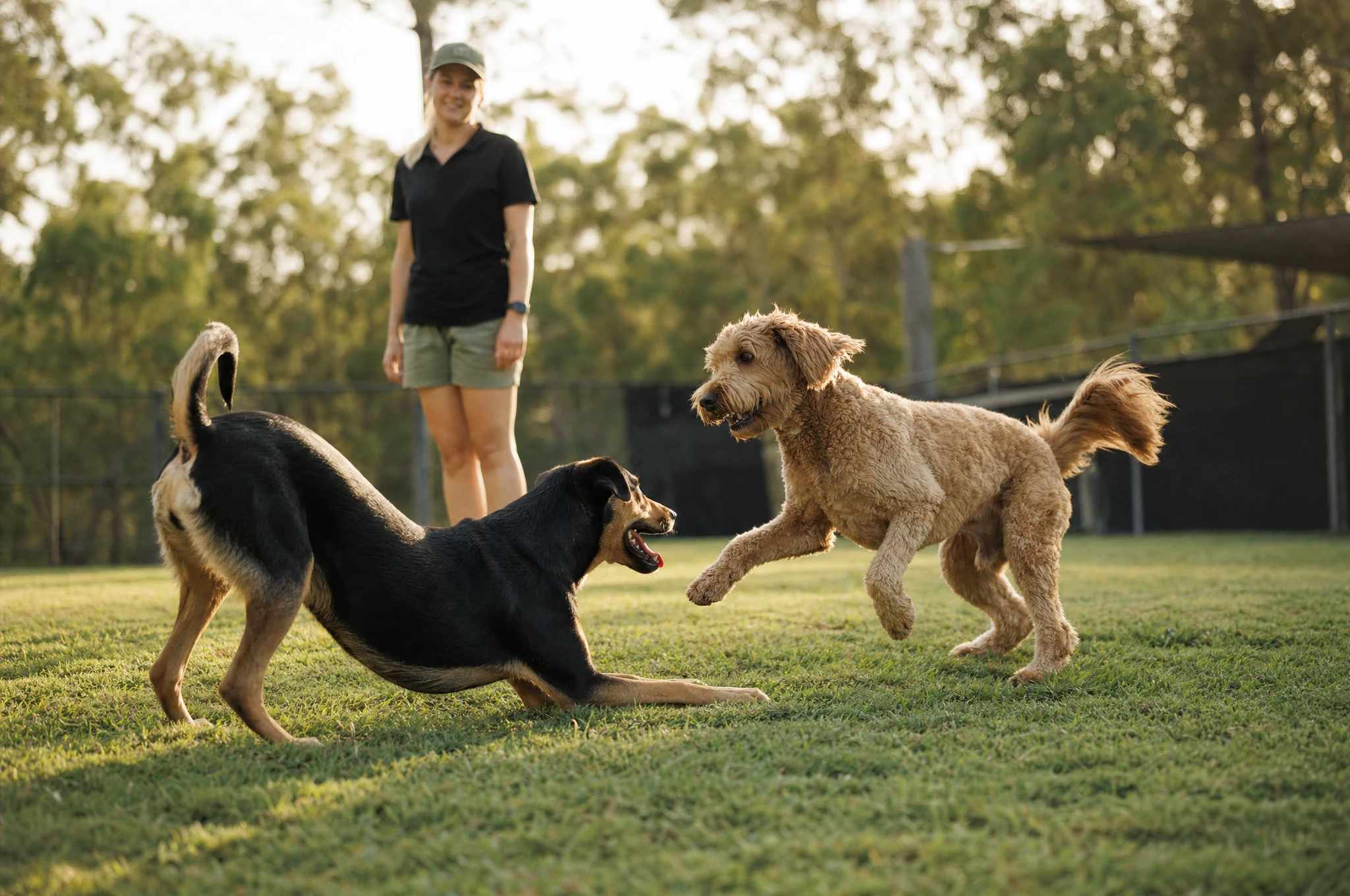
Learn to spot healthy play, early stress signals and the ladder of aggression, and how to step in calmly before play goes wrong.
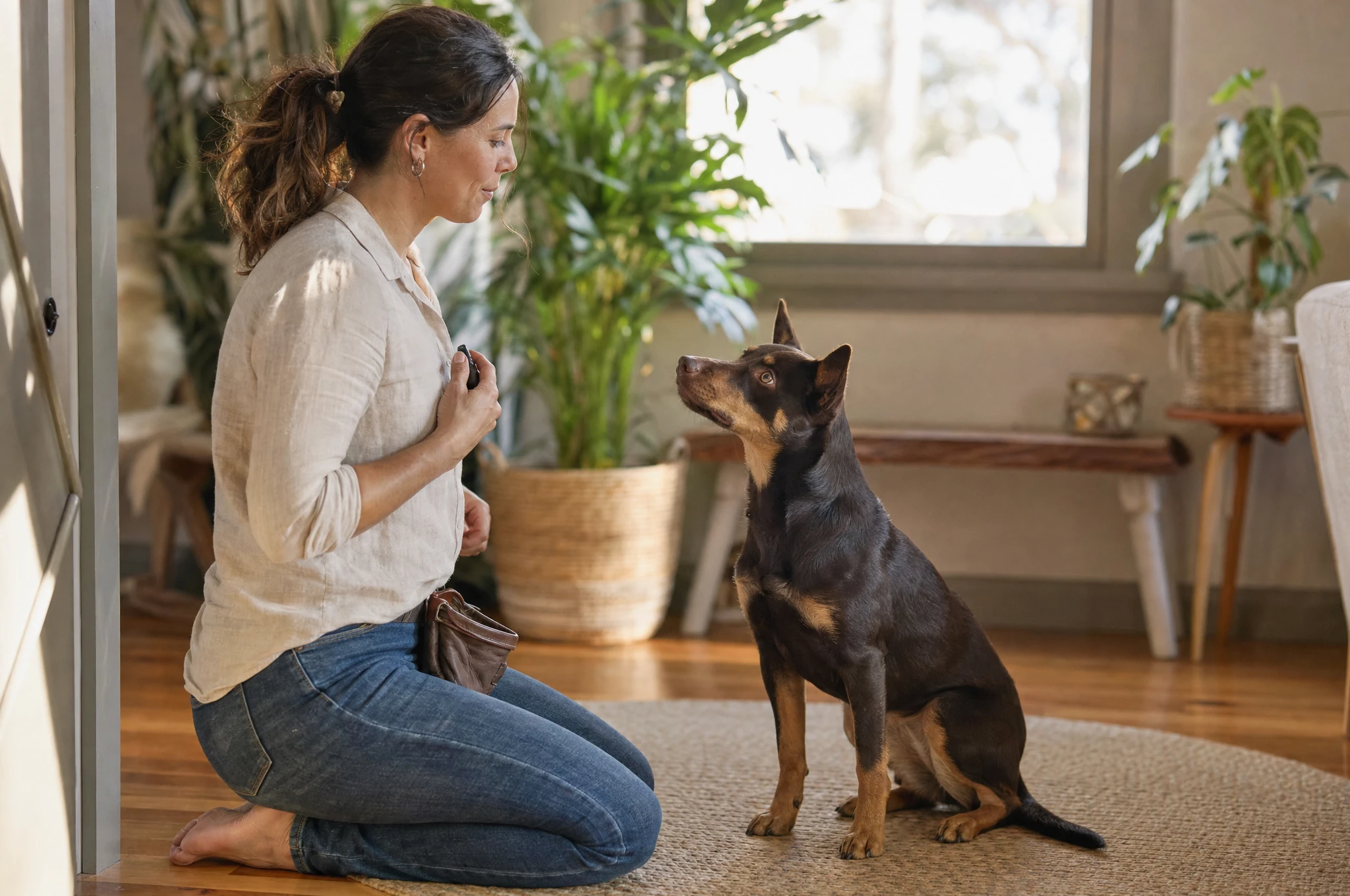
What a marker is, how to charge a clicker, and three first behaviours you can teach in short, five-minute sessions.
A 30-day free trial when PackDay opens, no card. No booking fees, ever.