
Getting your dog ready for their first groom
A two-week handling plan, nail trim basics, dryer practice and what to tell your groomer, so the first visit goes well.
By the PackDay team. Checked against the sources listed at the end.
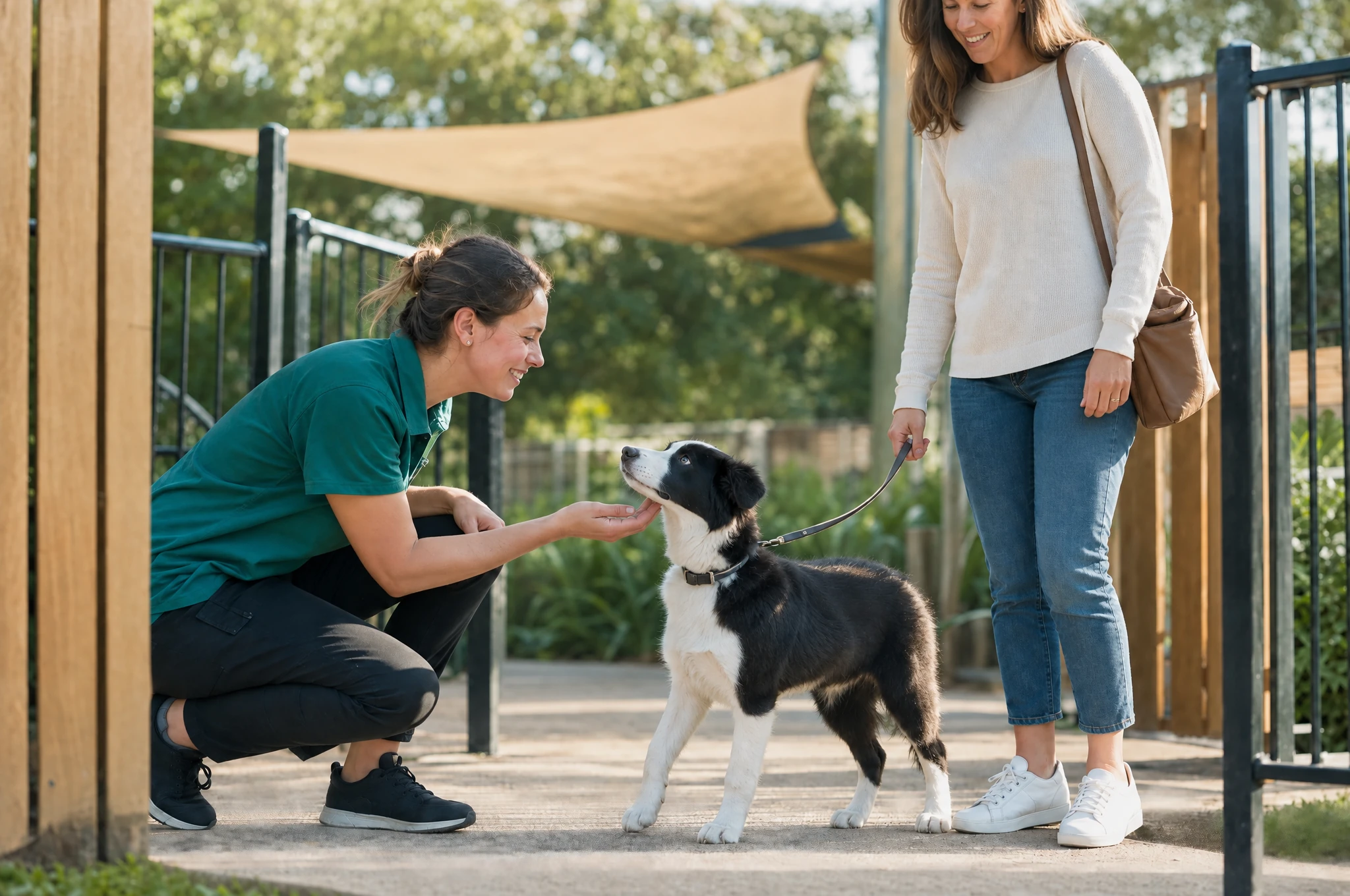
Daycare can give a social dog a happy, busy day while you’re at work. A little preparation before the first week makes it far more likely your dog will love it, and that the daycare will love having them.
Daycare suits dogs who enjoy the company of other dogs. Plenty of dogs do, but not all, and that’s fine. A dog who prefers people, or one quiet friend, may be happier with a dog walker or a smaller setting than a busy playroom.
If you’re not sure, watch how your dog behaves around other dogs at the park or on a walk. The RSPCA describes a relaxed dog as having a loose body, a soft open mouth, ears in their natural position and a wagging tail. A worried dog tends to lower their body and head, tuck their tail, pull their ears back, look away, yawn or lick their lips. A dog who shows the second set of signs often around other dogs is telling you something worth listening to.
Puppies are a special case. The RSPCA explains that the weeks from about 3 to 17 weeks of age are a key period for socialisation, so good early experiences matter. Your puppy still needs to be up to date with their vaccinations before they mix with other dogs, so talk to your vet about timing.
Every daycare sets its own entry rules, so ask what they need well before your first day. These are the usual topics to check.
Vaccinations. The core C3 vaccine protects against canine distemper, canine adenovirus and canine parvovirus. The C5 adds protection against parainfluenza virus and Bordetella bronchiseptica, two of the causes of canine cough (often called kennel cough). The RSPCA recommends it for dogs who regularly mix with other dogs, including at daycare and boarding. These extra vaccines generally need a yearly booster, so check your dates and leave time for a vet visit if one is due.
Microchip and ID. In Western Australia, the Dog Act 1976 requires dogs to be microchipped by the time they’re 3 months old. Make sure the contact details on the microchip register are current, so the daycare and your vet can always reach you.
Parasites and medication. Ask your vet which flea, tick and worm products suit your dog, and ask the daycare whether they need to see proof. If your dog takes medication, write the dose and times clearly and bring it in its original packaging.
A good daycare will be happy to answer these, and the answers tell you a lot about how they run.
The Australian Veterinary Association’s policy on boarding and daycare says staff should tell owners if a dog shows signs of health or behaviour problems while in care. It also notes that some dogs with ongoing anxiety may not suit a particular style of care. A daycare that talks openly with you about this is a daycare that’s paying attention.
By the end of the first week, most dogs who suit daycare are keen at the door and relaxed when you collect them. If your dog seems reluctant to go in, comes home unusually flat, or the staff mention signs of stress, have an honest chat with them. Fewer days, a different group or a different kind of care may suit your dog better, and that’s a perfectly good outcome.
In PackDay: daycares will keep allergies, medication and vaccination dates on every dog’s card, so the whole team sees them at drop-off. Owners get a report card on their phone at pick-up, with the mood, what their dog got up to and how lunch went. You can try it now in the live demo.
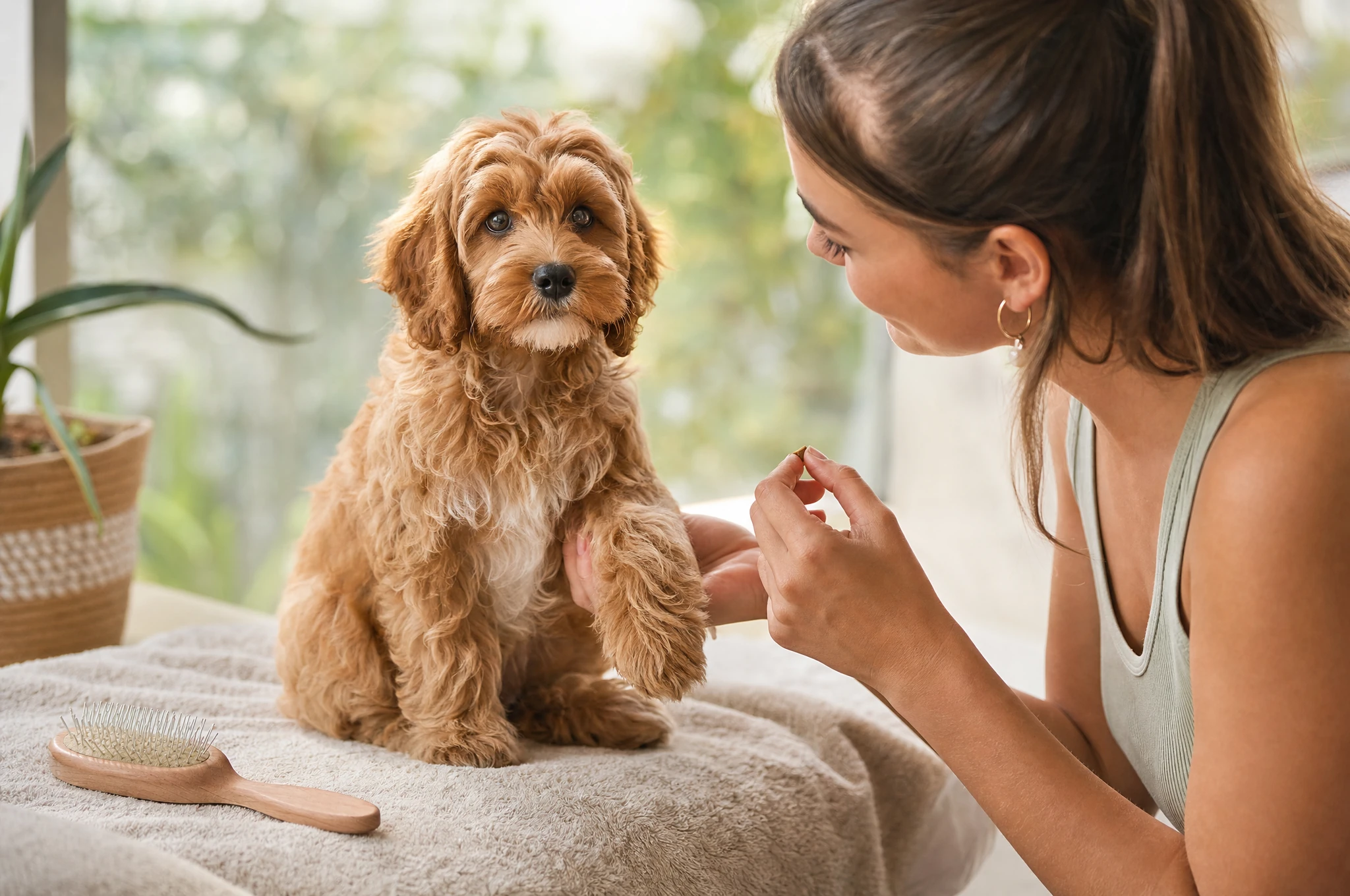
A two-week handling plan, nail trim basics, dryer practice and what to tell your groomer, so the first visit goes well.
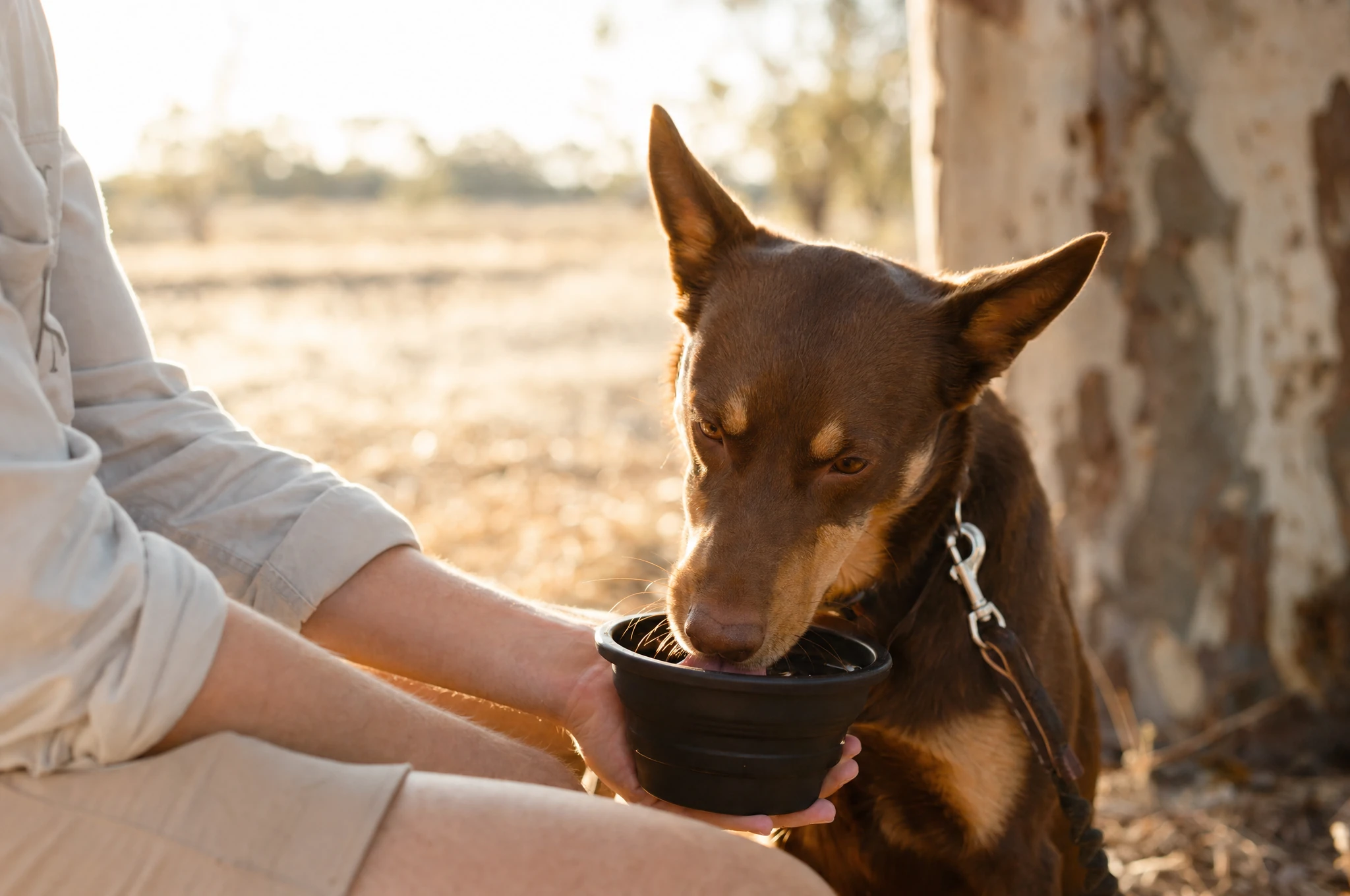
Heat, hot footpaths, snakes and fireworks: simple habits that keep dogs safe until the cooler weather comes back.
A 30-day free trial when PackDay opens, no card. No booking fees, ever.